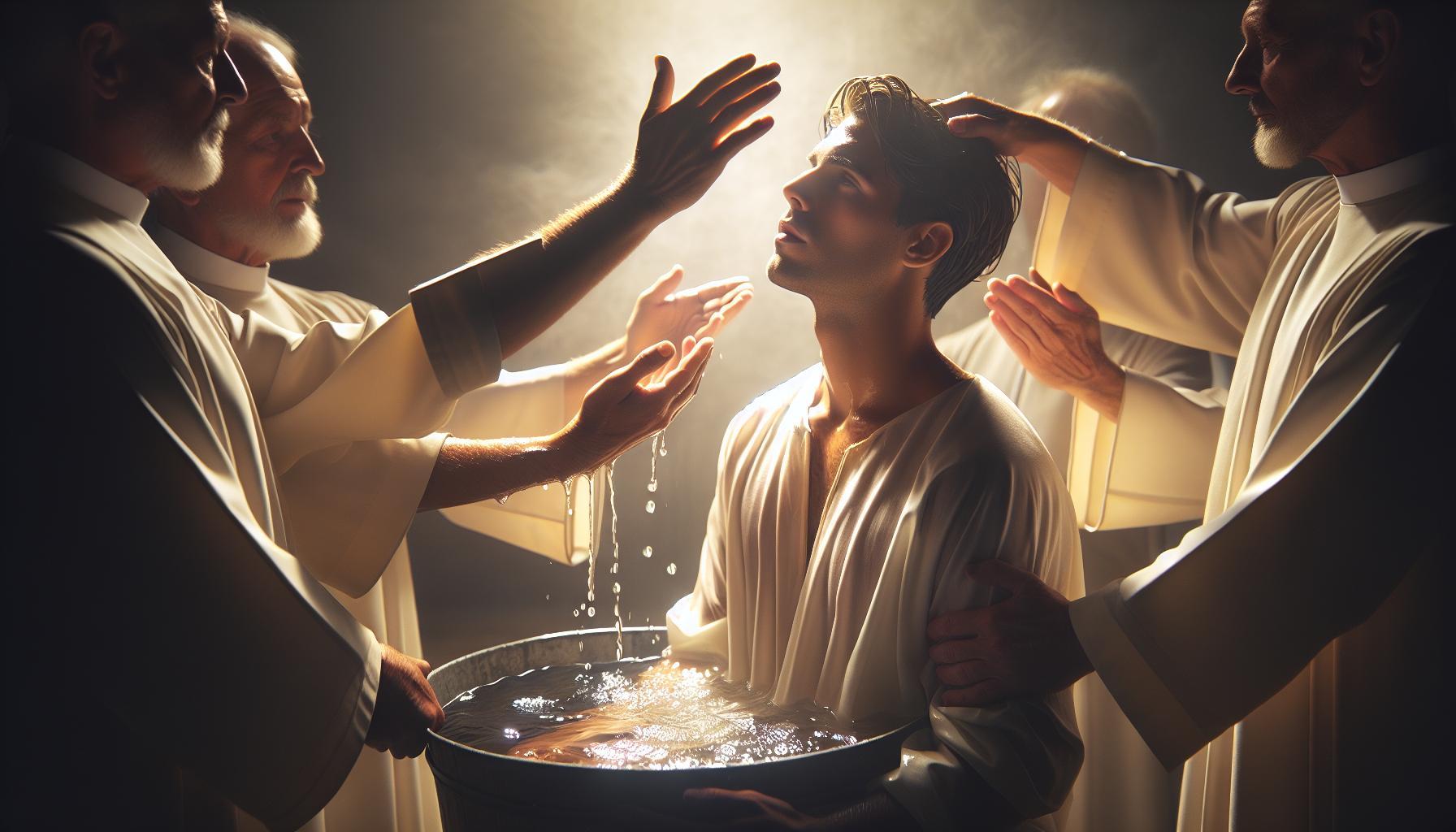
Navigating the nuances of gift-giving at a baptism can be perplexing for many guests. Understanding whether a present is expected, and what type is appropriate, is crucial for honoring the occasion and showing support for the family. This guide clarifies the etiquette surrounding baptism gifts, ensuring you make the right impression at this significant event.
Understanding the Significance of Baptism Gifts
Baptism is not only a beautiful religious ceremony but also a significant event for families, marking the spiritual beginning of their child’s journey. The act of giving a gift during this occasion holds profound meaning, symbolizing love, support, and commitment to the child’s spiritual upbringing. Although opinions vary on whether a gift is necessary, it is generally seen as a thoughtful expression of goodwill and a way to celebrate the child’s entry into the faith community.
The Thought Behind Baptism Gifts
A baptism gift goes beyond mere materialism; it embodies the values and blessings that the family hopes to bestow upon the child. Common gifts include religious items such as Bibles, cross pendants, or personalized keepsakes that can be cherished throughout the child’s life. These gifts serve not only as tangible mementos but also as reminders of the significance of the baptism day and the faith into which the child is being welcomed.
When selecting a baptism gift, consider the following options to ensure it holds special value:
- Personalized Items: Customized gifts such as engraved picture frames or blankets can be particularly meaningful.
- Religious Symbols: Items like rosaries or prayer books are traditional choices that carry spiritual significance.
- Educational Materials: Books on values, morals, or stories from religious texts can inspire the child as they grow.
Timing and Presentation of the Gift
It’s typical to present the baptism gift either at the reception following the ceremony or directly to the parents beforehand. While it is customary to give gifts during such occasions, your presence alone is a meaningful gesture that speaks volumes about your support for the family and the child’s faith journey. If you cannot attend the ceremony, sending a gift accompanied by a heartfelt note is a lovely gesture that illustrates your sentiments and acknowledges the importance of the occasion.
Ultimately, involves recognizing that they are not merely obligatory items but rather affirmations of faith, community, and love. Whether you choose to give a traditional gift or a unique personal item, the act of offering something special reflects your participation in the child’s spiritual growth and the shared values of the family.
Traditional Gift Ideas: What to Consider
When celebrating a baptism, the selection of a gift can be a deeply personal and meaningful choice. Guests often look for options that not only honor this sacred occasion but also serve as lasting mementos for the child and their family. Traditional gifts generally embody sentiments of faith, hope, and love, making them perfect for such an important milestone.
Considerations for Choosing a Gift
When deciding on a baptism gift, consider the following categories that often resonate well with families:
- Religious Symbols: Items such as crosses, angel figurines, or baptismal dolls are cherished by many families and can serve as significant symbols of their faith.
- Personalized Gifts: Custom engravings on keepsakes, such as silver cups, picture frames, or blankets, add a unique touch that makes the gift memorable.
- Books: A beautifully illustrated children’s Bible or a collection of religious stories can be both educational and comforting as the child grows.
- Clothing: A classic baptism gown or a special outfit for the day is often appreciated, especially when it holds sentimental value for the family.
Appropriate Gift Presentation
The way you present your gift can also enhance its significance. Consider wrapping it beautifully and including a heartfelt note expressing your wishes for the child’s future. This small gesture can add depth to your gift and show that you care.
Budget Considerations
While it’s essential to choose a thoughtful gift, being mindful of your budget is equally important. A generous gift does not have to break the bank; there are plenty of beautiful yet affordable options. Here’s a quick reference table to guide your spending:
| Gift Type | Average Price Range |
|---|---|
| Religious Symbols | $10 – $50 |
| Personalized Gifts | $20 – $100 |
| Books | $5 – $30 |
| Clothing | $30 – $100 |
Navigating the etiquette surrounding baptismal gifts can sometimes be daunting, but by considering these factors, you can choose a gift that reflects both the significance of the occasion and your personal sentiments.
Navigating Cultural and Denominational Differences
Baptism, a universally significant rite, is celebrated differently across cultures and denominations, influencing not just the ceremony itself but also the expectations surrounding it, including gift-giving. Understanding these variations can enhance participation and lead to a more meaningful experience for all involved. In various cultures, the act of giving a gift at a baptism reflects deeper values and communal beliefs, serving as a symbol of support and blessings for the individual being baptized.
Cultural Perspectives on Gift-Giving
Different cultures have unique customs regarding gift-giving at baptism. For instance, in many Western societies, it is customary to present the baptized with a gift such as a special piece of jewelry, like a cross pendant, or personalized items that embody the spiritual significance of the occasion. In contrast, some East Asian communities might opt for more practical gifts, such as clothing or savings bonds, emphasizing the child’s future prosperity rather than immediate spiritual symbols. Here are a few typical gifts you might consider:
- Religious Items: Items like holy books or prayer beads are common among Christian denominations.
- Personalized Gifts: Engraved keepsakes, like frames or albums, that commemorate the event.
- Financial Contributions: Considered practical, these gifts support the child’s upbringing or education.
Denominational Variations
Understanding the denominational differences in baptism can also shape your approach to gift-giving. For example, in Catholic traditions, where baptism often involves church community participation, gifts might be more elaborate, reflecting the communal commitment to support the child’s spiritual growth. Conversely, in some evangelical communities, the focus may be less on material gifts and more on personal affirmations of faith or symbolic gestures, like writing a letter of guidance for the child.
It’s also essential to consider the expectations set by the family hosting the baptism. Some might have specific guidelines about what type of gifts are appreciated or if gifts are even anticipated. If unsure, it is always a good idea to inquire discreetly. Engaging in open communication reflects respect for the family’s wishes and ensures your gesture is well-received.
Embracing Cultural Sensitivity
When navigating the diverse landscape of baptismal customs, embracing cultural sensitivity is paramount. For instance, among indigenous cultures, baptisms might integrate local traditions, and gifts that honor those customs would likely be welcomed. Recognizing and respecting these differences not only enriches the experience but also helps foster a supportive environment during the celebration.
In summary, understanding the cultural and denominational nuances surrounding baptism will guide your gift-giving choices. Whether you choose a traditional gift or one that resonates with personal values, the act of giving should ultimately reflect celebration, support, and love for the individual being baptized, enhancing the meaning behind the ritual in line with ‘Do You Bring a Gift to a Baptism: Etiquette & Expectations Explained.’
Handmade vs. Store-Bought: The Personal Touch
Choosing between handmade or store-bought gifts for a baptism can significantly impact how your gesture is received. A thoughtfully crafted item often carries more sentimental value, while a carefully selected store-bought gift may offer convenience and a polished look. Understanding these distinctions is essential for anyone asking, “Do you bring a gift to a baptism: etiquette & expectations explained?”
Why Handmade Gifts Shine
Handmade gifts are often viewed as a heartfelt expression of love and care. They are unique and can be personalized to reflect the recipient’s personality or their faith journey. For instance, a custom-knitted blanket or a piece of art that incorporates the child’s name and baptismal date can become cherished keepsakes. These gifts not only celebrate the occasion but also show that you’ve invested time and effort into creating something special.
Moreover, handmade gifts can be a great way to carry on family traditions. For example, a family heirloom or a family-crafted item can strengthen familial bonds and provide a tangible connection to the child’s heritage. Here are some ideas for thoughtful handmade gifts:
- Handcrafted books: Fill a blank book with personal messages or stories about faith.
- Hand-painted items: Create a decorative plate or frame that reflects baptism themes.
- Handmade clothing: Sew or knit a special outfit for the ceremony or future special occasions.
Benefits of Store-Bought Gifts
On the other hand, store-bought gifts can be extremely practical, offering a level of convenience that handmade items may not. They often come with warranties and return policies, making them a safer choice for less crafty gift-givers. Additionally, some items available in stores are designed specifically for baptismal occasions, like engraved jewelry or elegant picture frames, ensuring they are both appropriate and well-made.
When considering a store-bought gift, think about how it aligns with the family’s lifestyle and beliefs. Popular store-bought options include:
- Religious books: A beautifully bound Bible or children’s religious storybook
- Personalized keepsakes: Items like baptism candles or engraved photo albums
- Mementos: Items that commemorate the day, such as a commemorative coin or a decorative cross.
Ultimately, the decision between a handmade or store-bought gift should reflect your relationship with the family and your own capabilities. No matter which option you choose, the thoughtfulness behind the gesture will undoubtedly be appreciated, reinforcing the love and support that surround this special occasion.
Gifts for the Family: Supporting More Than Just the Child
As families come together to celebrate significant milestones like baptisms, the opportunity to extend the spirit of the occasion often leads guests to consider gifts that cater to the entire family rather than just the child. This inclusive approach not only emphasizes community and togetherness but also acknowledges the family unit’s importance in nurturing the child’s spiritual journey. Families often appreciate gifts that foster shared experiences, support family bonding, and encourage fun interactions that everyone can enjoy.
When selecting a family-centered gift for a baptism, consider options that engage all family members. Here are some thoughtful ideas:
- Family Games: Choose games that can be enjoyed by various age groups, which can lead to memorable game nights and laughter.
- Subscription Boxes: Consider family-friendly subscription services that cater to interests like arts and crafts, science experiments, or cooking. These gifts provide ongoing fun and engagement.
- Outdoor Adventure Gear: Items such as a family camping kit or backyard games encourage outdoor activities that can strengthen family bonds and create lasting memories.
- Personalized Family Keepsakes: Custom gifts such as family name signs or photo books can serve as cherished reminders of their special day.
Adopting a mindset of community support and focusing on the entire family can elevate your gift-giving approach at a baptism. Instead of a singular focus on the child, embracing gifts that include siblings and parents enriches the experience. It’s a beautiful way to honor not just the child’s new journey but also the family’s collective joy and commitment to their growth.
Moreover, when thinking about the ideal gift, practicality and longevity can play a crucial role. Items that offer ongoing use or that encourage continual family connection are particularly valuable. For instance, gifting a family membership to a local zoo or aquarium can provide countless hours of enjoyment and learning together.
By making a thoughtful choice that honors the family as a whole, you can ensure that your gesture is appreciated, remembered, and acts as a part of the family’s journey together, echoing the essence of the celebratory moment captured in the spirit of baptism.
When to Present Your Gift: Timing is Key
When it comes to gift-giving, especially for significant life events like a baptism, the timing of your gesture can significantly enhance its impact. Presenting a gift at an appropriate moment not only shows your thoughtfulness but also ensures that the recipient fully appreciates and values your gesture. Since baptisms often involve a ceremony and gathering of friends and family, understanding the best time to present your gift can make your contribution even more meaningful.
Choosing the Right Moment
Typically, it’s best to gift your present before or during the baptism ceremony. Here’s how you can align your timing effectively:
- Before the Ceremony: If you’re attending the baptism service, consider bringing your gift with you. When greeting the family, handing over the gift before the ceremony can set a positive tone.
- During the Celebration: Many families host a gathering post-ceremony where friends and relatives come together to celebrate. Presenting your gift during this time can create a shared moment of joy.
- Post-Ceremony: If you are unable to attend the event but still want to acknowledge this special occasion, mailing or delivering your gift shortly after the event ensures your gesture is timely and appreciated.
Consider the Family’s Culture and Traditions
Different cultures and families may have varying customs regarding gift-giving at baptisms. It’s beneficial to be aware of these practices:
| Culture/Tradition | Timing for Gifts |
|---|---|
| Christian Traditions | Gifts given during the service or immediately after |
| Jewish Traditions | Gifts sent after the ceremony |
| Secular Celebrations | Flexible; whenever feels appropriate |
By respecting these customs, you not only enhance your gift’s reception but also foster goodwill with the family. Remember, the key is to ensure your gesture feels thoughtful and well-timed, elevating the entire experience as highlighted in discussions about etiquette and expectations for occasions like baptisms. Balancing mindfulness of cultural norms with personal touch can help you navigate these moments gracefully and meaningfully.
The Role of Cards and Messages in Baptism Celebrations
The significance of thoughtful cards and messages during baptism celebrations cannot be overstated. They serve as more than just a simple gesture; they encapsulate heartfelt sentiments and prayers for the recipient, making the occasion even more memorable. A well-crafted message can offer encouragement, express joy, and provide blessings that align with the spiritual journey this rite of passage signifies.
Why Cards Matter
Baptism is a momentous occasion, often marked by family gatherings and communal celebrations. Amidst these festivities, a personalized card can stand out as a cherished keepsake. It’s an opportunity to convey your unconditional support and love, offering the baptized individual or their family words of wisdom or comfort. Whether it’s a child being baptized or an adult taking the step of faith, a card captures your sentiments in a tangible form.
Consider these elements when writing your message:
- Personal Touch: Include the person’s name and a specific memory or trait you admire.
- Blessings and Wishes: Share your hopes and prayers for guidance and strength in their spiritual journey.
- Quotes or Verses: Incorporate meaningful scripture or quotes that resonate with the significance of baptism.
Examples of Meaningful Messages
Crafting the perfect message requires thoughtfulness. Here are a few examples to inspire your card writing:
– “Wishing you a lifetime filled with love, faith, and blessings as you embark on this beautiful journey of faith.”
– “May your baptism bring you closer to God and fill your heart with His love and grace.”
– “Congratulations on your baptism! May you always find joy in your faith and strength in the Lord.”
A handwritten note can have a lasting impact and be a wonderful addition to any gift. Coupling your thoughts with a physical gift, whether it’s a personalized item or a thoughtful book, can elevate the overall celebration experience. Personal messages in cards not only celebrate the moment but also create lasting memories for years to come.
As you prepare for the baptism celebration, remember that your words can uplift and inspire, making the day even more special for those involved.
Special Considerations for Godparents and Close Family Members
Being a godparent or a close family member during a baptism comes with unique responsibilities and expectations that go beyond merely attending the ceremony. This role is steeped in tradition and signifies a commitment not only to the child but also to their family and faith. As you navigate this special occasion, it’s crucial to understand the nuances of gift-giving and your involvement throughout the event.
Understanding Your Role
As a godparent, your primary function is to support the child’s spiritual upbringing. This commitment is symbolized through the vows you take during the baptism ceremony. You stand alongside the parents, pledging to assist in raising the child in the faith. This responsibility is often complemented by your presence and involvement in significant milestones in the child’s life. Understanding this role can inform your decisions regarding gifts, making them more meaningful.
When considering whether to bring a gift to the baptism, it’s important to remember that while it’s not mandatory, it’s often welcomed and appreciated by the parents. A thoughtful gift helps mark the significance of the event and your commitment to the child’s spiritual journey. Some popular options include:
- Religious items: Consider personalized items like a baptismal cross or a children’s Bible.
- Keepsakes: A memory book or a photo album can be cherished for years to come.
- Financial gifts: These can be helpful for the child’s future needs, such as education savings accounts.
Reception Etiquette
If a reception follows the baptism, it often serves as a gathering to celebrate not just the sacrament but also the community’s support for the family. It’s customary for guests, particularly close family members and godparents, to offer gifts during this time. This setting provides an intimate moment for you to express your congratulations personally. You can also use this opportunity to share your commitment as a godparent, ensuring the family knows they can count on you in the future.
In essence, your involvement as a godparent or close family member may extend beyond the baptism day itself. It’s a lifelong pledge to nurture the child’s faith and support their family. Engaging in this meaningful way allows you to live by the values celebrated in this cherished occasion, making both your presence and gift truly special.
Faq
Do you bring a gift to a baptism?
Yes, it is customary to bring a gift to a baptism. This gesture shows support for the family and honors the spiritual significance of the event. Common gifts include religious items, clothing, or keepsakes.
Baptisms are momentous occasions, often celebrated with family and friends. Gifts serve as a tangible expression of love and commitment to the child’s spiritual journey. Traditional gifts may include items like silver spoons, religious books, or personalized blankets. Consider what the family might appreciate most.
What types of gifts are appropriate for a baptism?
Appropriate baptism gifts can range from traditional items like silver spoons and crosses to personalized keepsakes. The gift should reflect the significance of the occasion and be thoughtful.
Gifts that resonate with the child’s faith or provide lasting memories are ideal. For instance, you might choose a children’s Bible, a handcrafted keepsake box, or a piece of jewelry that can be cherished as the child grows. Learn more about baptism gift etiquette.
Can I give cash as a baptism gift?
Yes, giving cash is considered acceptable for baptism gifts. Many families appreciate the flexibility cash offers, allowing them to use it as they see fit.
While it’s often preferred to give a physical item, cash gifts can be convenient, especially for larger families. You might complement cash with a small card or token to enhance the personal touch of your gift.
When should you give a baptism gift?
Baptism gifts are typically given during the baptism ceremony or at a reception afterward. Timing is important to ensure your gift is appreciated.
If the family holds a celebration after the baptism, bringing your gift to that event is perfectly acceptable. If you cannot attend, sending the gift in advance or afterward is also thoughtful. Remember that your gesture is meant to convey your support and good wishes for the child.
Why is it important to give a gift for a baptism?
Giving a gift for a baptism symbolizes your support for the family and acknowledges the spiritual significance of the event. It reflects community, love, and faith.
Gift-giving during such sacred occasions fosters relationships and unity within the community. It also serves as a reminder of the commitment made to nurture the child’s spiritual growth alongside their family.
Are there any cultural differences in baptism gift-giving?
Yes, different cultures have varying customs around baptism gift-giving. Understanding these differences can enhance your gift-giving experience.
In some cultures, gifts may focus more on monetary contributions while others may emphasize religious items. Always consider the family’s background and what they may appreciate most, ensuring that your gift aligns with their traditions.
Can you bring gifts for adult baptisms?
Yes, gifts for adult baptisms are often appreciated as well. While not always expected, a thoughtful gift can symbolize support for their spiritual journey.
Consider gifting meaningful texts, personalized items, or items that symbolize the individual’s faith journey. Such gestures can profoundly impact their experience and show your acknowledgment of their commitment.
Wrapping Up
As you navigate the significance of baptism and the accompanying customs, it is essential to understand the role of gift-giving in this sacred tradition. While attendance at a baptism is often the most meaningful gesture of support and reverence for the family, bringing a gift can enhance the occasion and express your heartfelt wishes for the child’s spiritual journey. Thoughtful gifts, whether they be religious keepsakes, personalized items, or items that honor the child’s faith, reflect the joyous spirit of the event and can create lasting memories for the family involved.
Ultimately, the decision to give a gift should align with what feels appropriate and meaningful to you. Whether you opt for a monetary contribution or a more personal token, the key is to embrace the loving intention behind your gesture. As you learn more about baptism etiquette and expectations, consider exploring various ways to honor this beautiful rite of passage, respecting diverse traditions while celebrating the profound commitment made in this sacred ceremony. Your participation—whether through your presence, a gift, or even a supportive message—will undoubtedly leave a lasting impact, fostering connection and grace within the community.
Get our latest guides, news, and insights highlighted in your Google Search & AI Overviews.